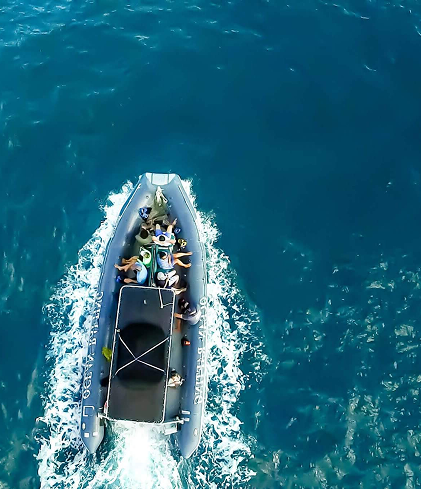


Adventure with Maui’s best eye-level Whale watching tours. Encounter humpback whales onboard our award winning eco-raft tours departing from Lahaina everyday December through April during whale migration.
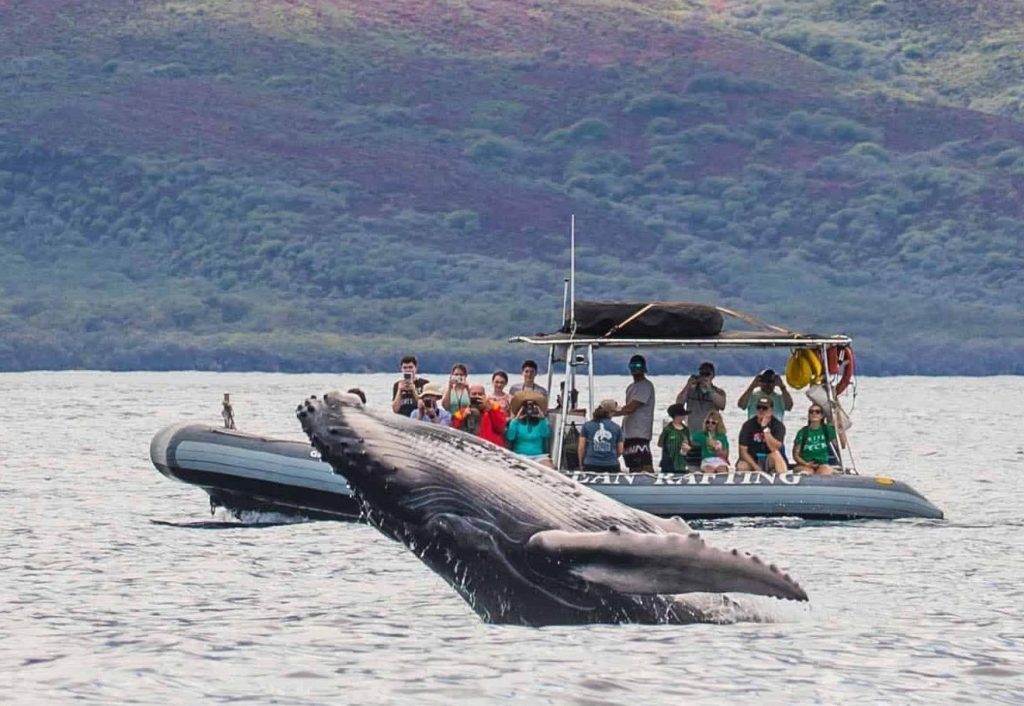
Our most popular whale watch tours include whale watching and educational talks from our marine naturalists. Seasonal December-April.
Small Group • Education • Wildlife
Save 20%
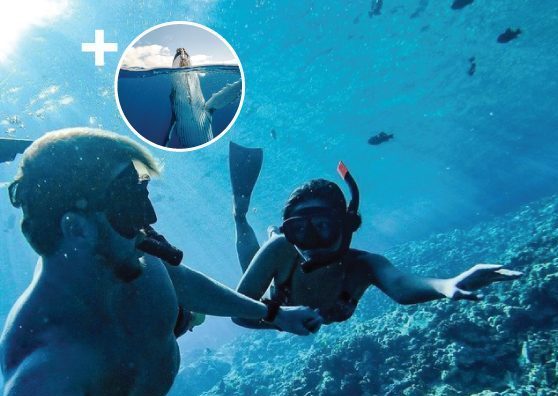
Combined both great ocean adventures for a 2n1 Maui snorkeling and whale watch eco-tour. Offered during whale migration season December- March.
Whales • Snorkeling • Food/Bev
Save 20%
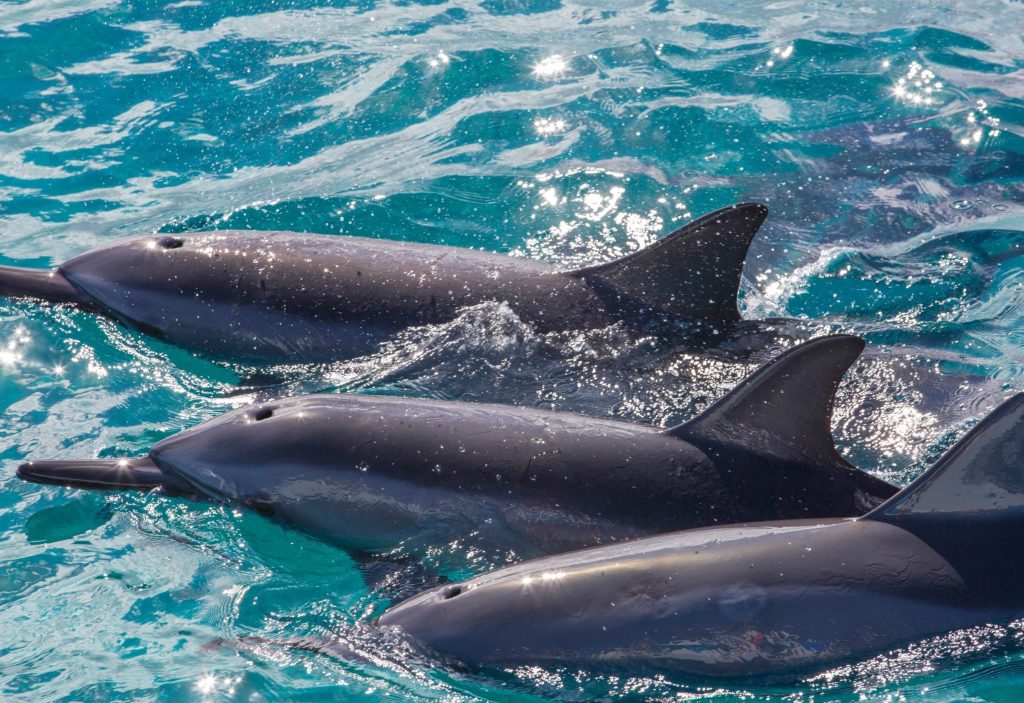
Search for dolphins and sightsee from our small group eco-raft. Stay dry and still have an ocean adventure! Snacks included. Seasonal May-Nov.
Small Group • Education • Wildlife
Save 20%
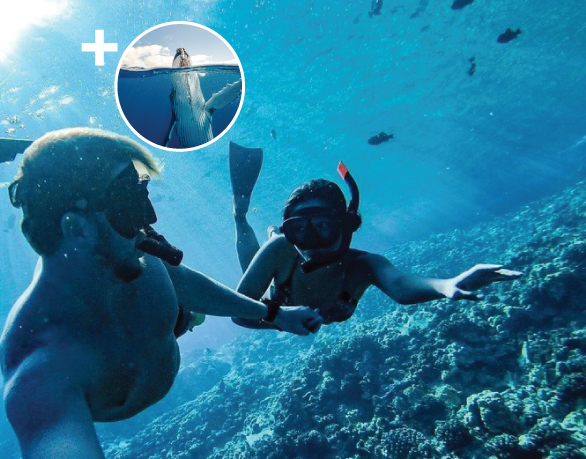
2n1 Snorkel & Whale Watch Eco-Raft Tour
Combined both great ocean adventures for a 2n1 Maui snorkeling and whale watch eco-tour. Offered during whale migration season, seasonal Dec-April.
Small Group • Education • Wildlife
Save 20%
Book Now! Save 20%
Each winter, Maui becomes one of the most active whale habitats in the world. From December through April, humpback whales gather off Lahaina and Kaanapali. This is the heart of whale watching in Lahaina. We begin focusing on whale watching in October to align with seasonal travel plans and search trends. Our goal is to keep content timely and accurate without shifting topics too early.
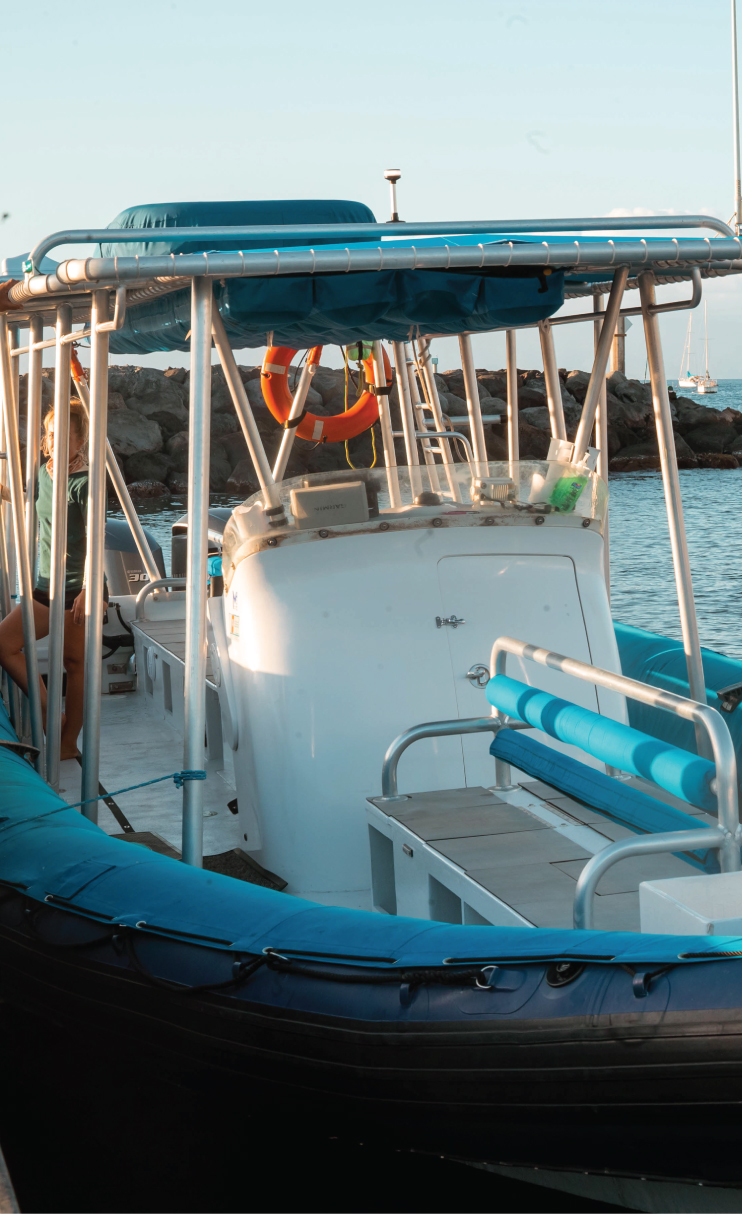
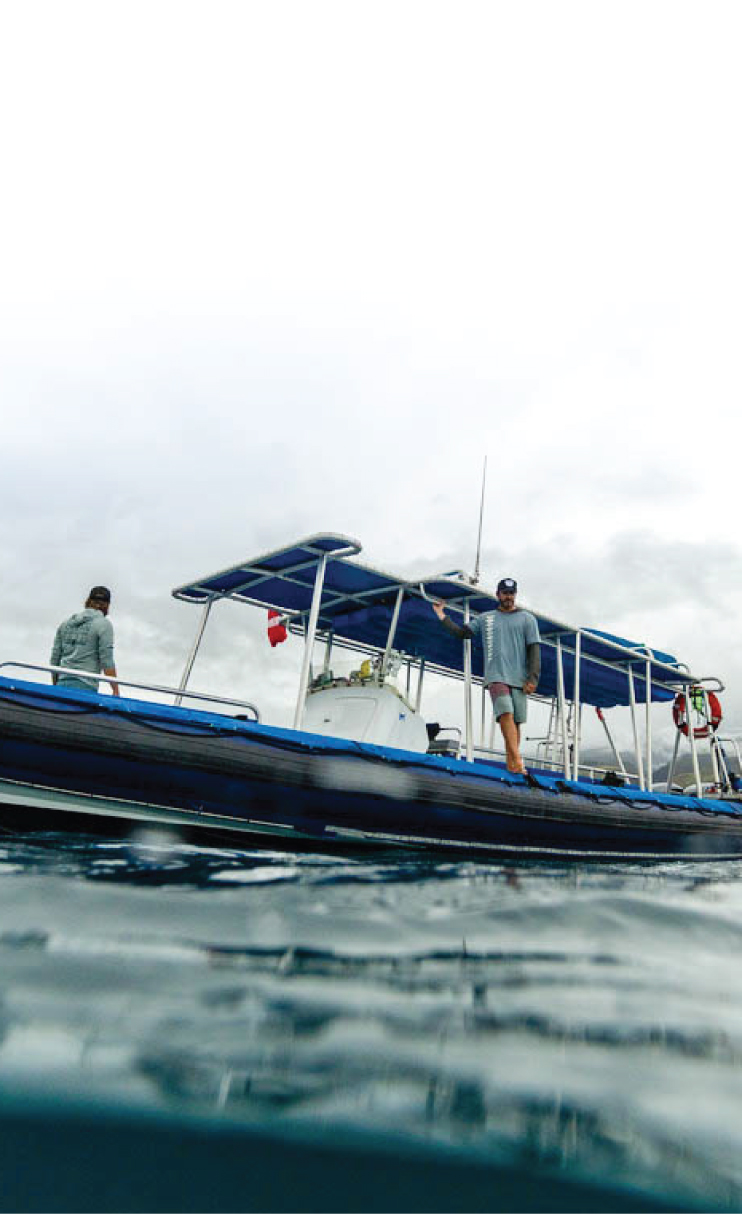
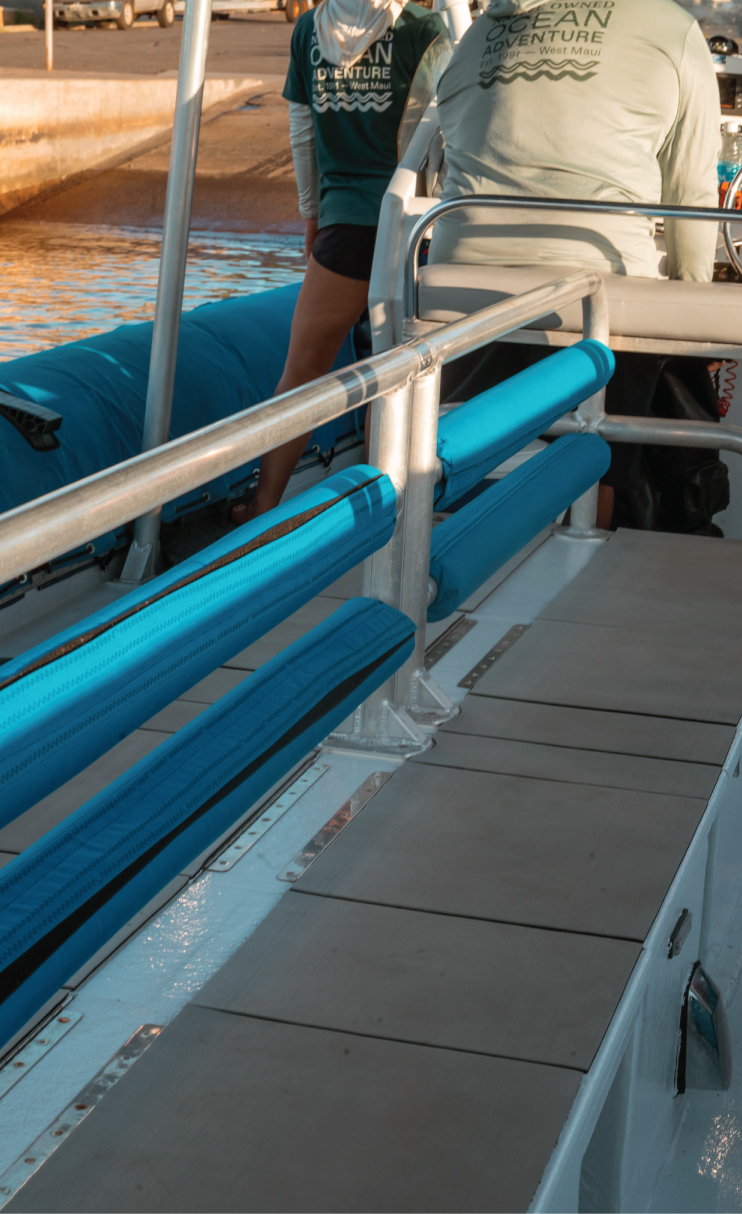
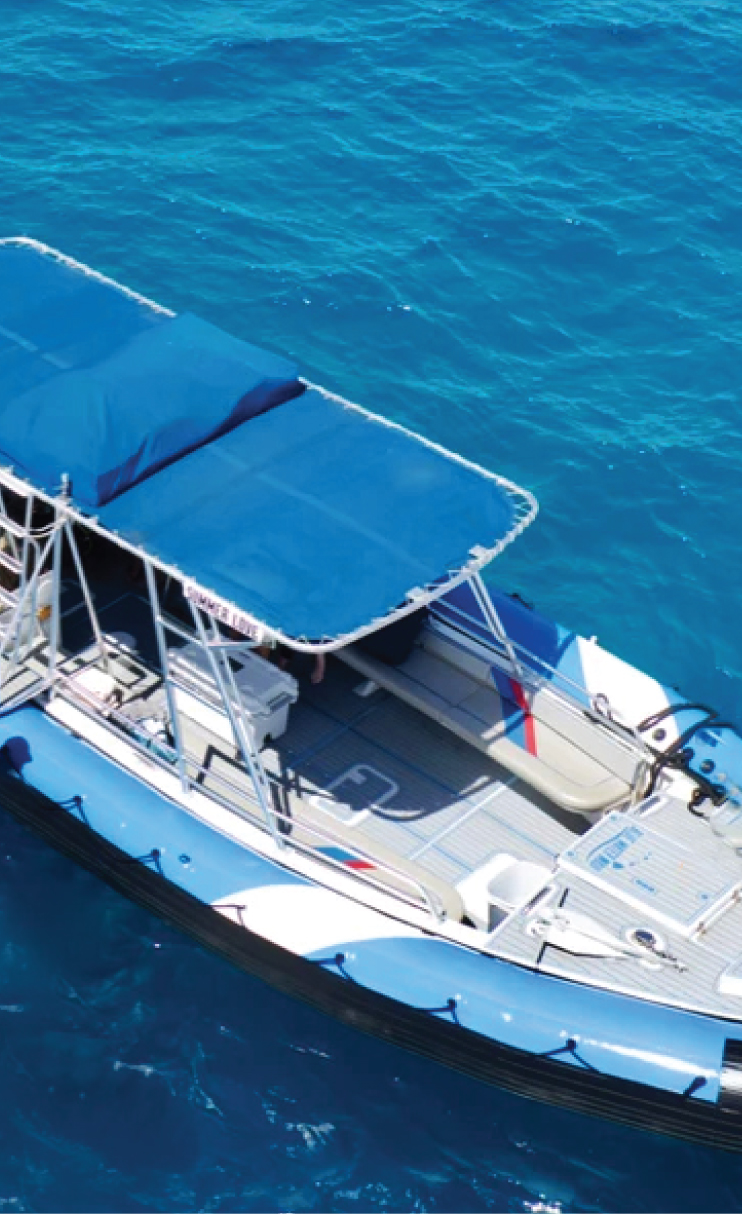
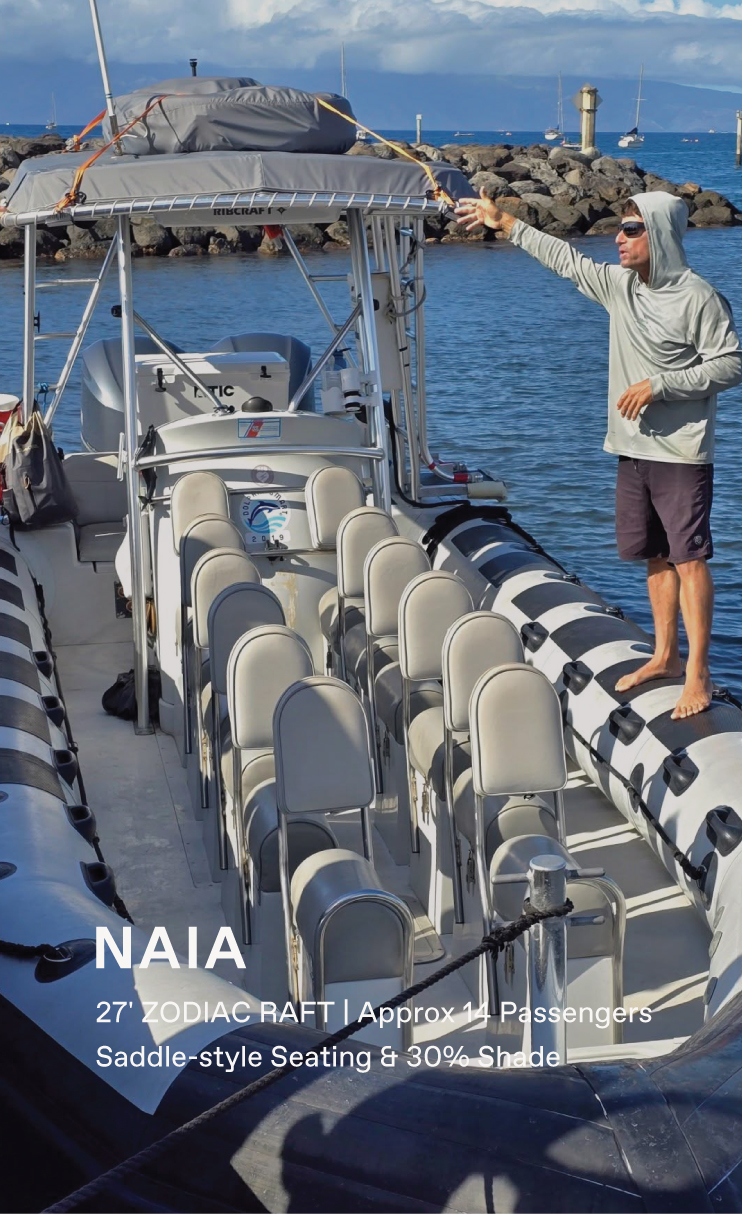
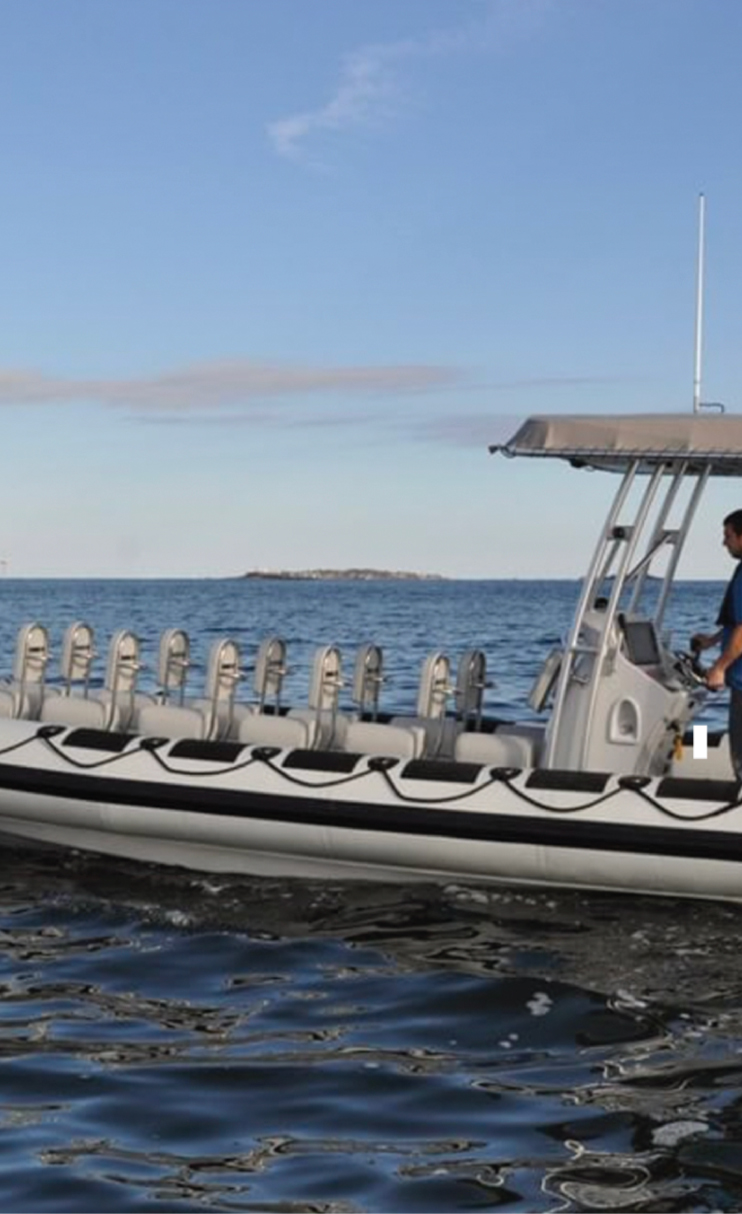
Our eco-rafts sit low to the water. This design allows for true eye level whale watching. Guests often find themselves just feet above the surface. You hear the blow before you see it. When a whale surfaces near the raft, the experience feels personal and real. This is what many guests describe as the best whale watching Maui has to offer.
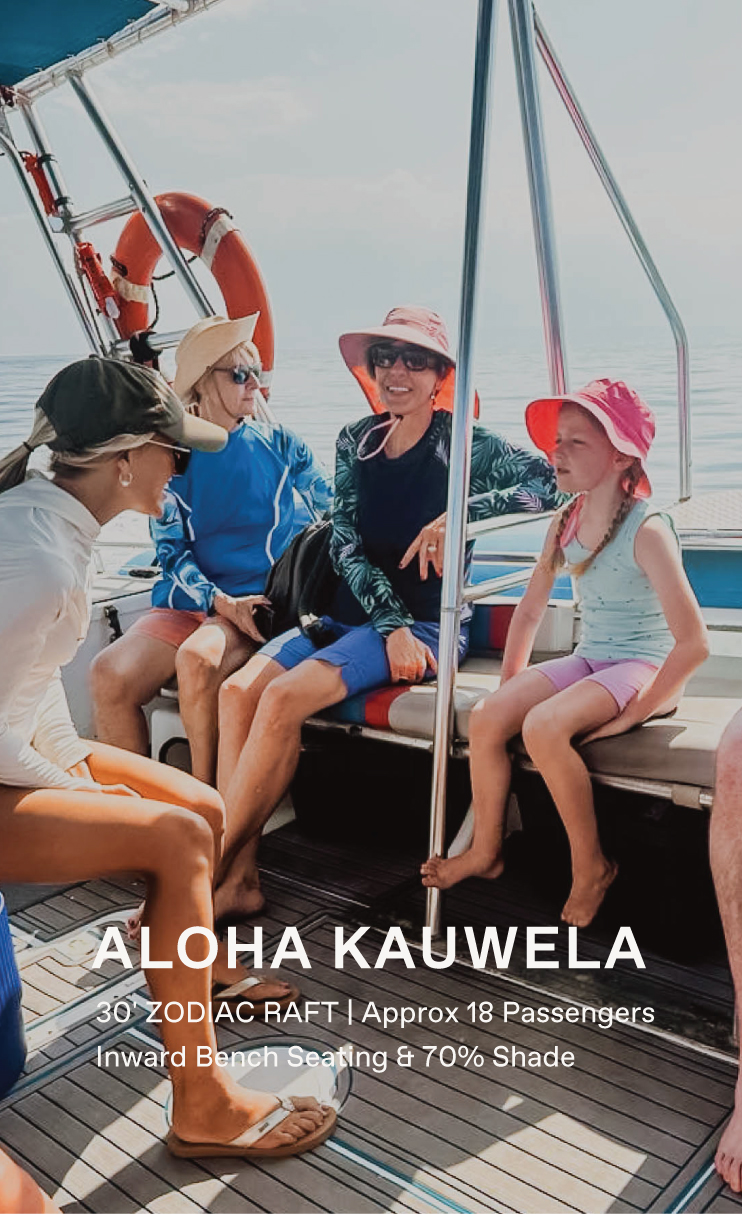
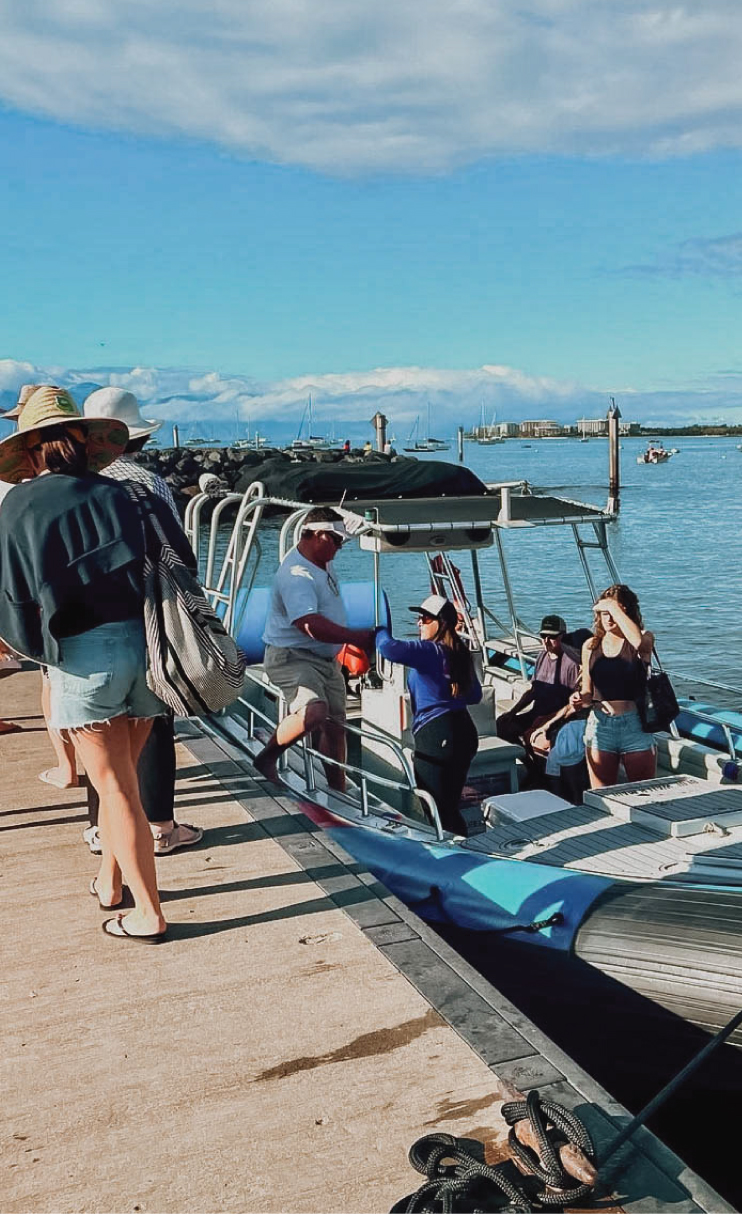
We operate as a small, locally owned Hawaiian eco-rafting company. Established in 1991, we are recent owners and work alongside our crew every day. Our rafts carry up to 20 guests on our newer vessels, though many tours remain 16 or fewer. The result is a small group whale watching Maui visitors appreciate. There is space to move and clear views for everyone.
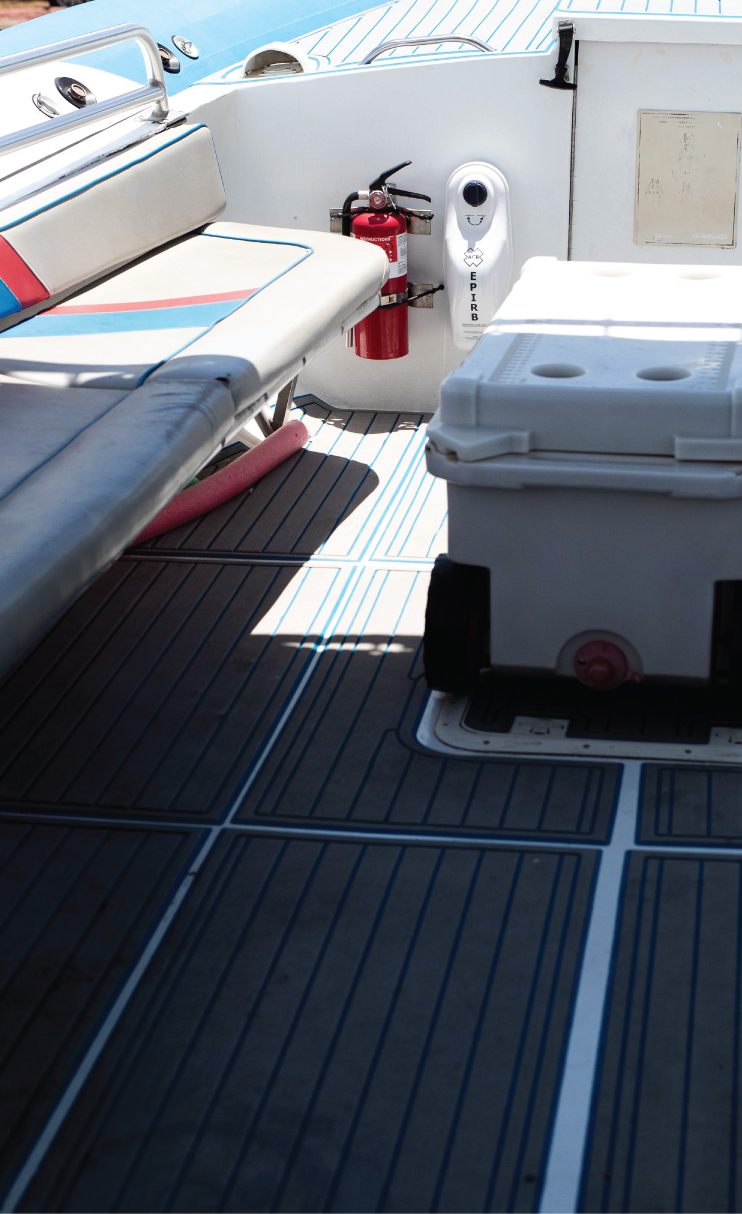
Our marine naturalists lead each tour. They share insights about whale behavior, migration, and Maui’s ocean environment. Hydrophones allow guests to hear whale song underwater. If whales are not sighted, you may return again at no charge. Safety remains a priority. Pregnant guests are not permitted on the rafts due to the adventurous ride style.
When whale season ends in mid-April, we gradually shift focus toward snorkeling in Lahaina and along the Kaanapali coast. Summer tours highlight snorkeling and dolphin watching. This approach respects the natural rhythm of Maui’s seasons and keeps our messaging aligned with what guests are searching for. Summer draws more millennials and couples seeking a less commercial Maui ocean experience.
Pono or “respectful” up-close whale watching in Maui only happens if the whale chooses to be near our boats, giving them the freedom to behave naturally in the wild.
SEE OUR NEW HAWAIIAN HISTORY WHALE TOUR
________________________________________

Expect to see whales- lots of them!










Adults
FROM* $74
$93 Save 20%
Kids
(Ages 3-12)
FROM* $65
$81 Save 20%
Private Charter
$550+/HR
Encounter humpback whales in the wild on our 90 minute or 2 hour Maui whale watching raft tours departing from Mala Boat Ramp, Lahaina with an easy check-in located on Front Street. Our ocean rafts are low to the water for eye-level whale viewing and offer a family-style experience with small group tours.
Our whale watch tour includes a full narration of interesting whale and Maui facts by our marine naturalist, listening to whale songs on a hydrophone and lots of photo ops.
Included in all tours:
•
Hydrophone for listening to whale songs.
• Educational talks by our
Marine Naturalist.
• Purified water and biodegradable cups onboard.
2n1 Tour and Cultural Tour include additional components. See specific whale watch tour for more details.
Bring a hat, sunglasses, reef safe sunscreen or a sun shirt! BYOB ok, just no glass containers.
Adventure style rafts receive ocean spray onboard so prepare to get wet! Dress accordingly and bring a waterproof bag for personal items.
Camera or GoPro to take photos and videos of whales
Gratuity for crew (Venmo accepted!)
Check-in at Dive Maui Shop, 1223 Front St, Lahaina for your Maui whale watch tour.
Parking can be found near Longs at Lahaina Cannery Mall.
Park and walk toward the ocean to Front Street. Make a left and walk over the bridge.
The dive shop is on the right, next to Snorkel Bob’s blue building. Check-in here!
There is a restroom and water available at the check-in location. Merchandise is available for purchase as well including hats, sun shirts and dry bags (based on availability).
*(There is no longer commercial parking at Mala boat ramp in Lahaina.)
The best time of day to see whales in Maui is anytime because whales are not feeding while they are in Maui and are not operating on a solar schedule. Humpback whale behavior is based on mating and giving birth while they are here in Maui and those activities occur 24 hours a day.
Any time you go whale watching will be the best time to go whale watching and the same opportunity to see active surface behavior.
These whales are in the wild so the activity and interactions are up to them.
December, January, February, March and April are the best months for whale watching in Maui.
Humpback whales return to the warm Hawaiian waters every year during the winter months for their mating and calving season.
We see some of the earliest whales in October but not enough to officially start whale watching until December 1st.
The last of the whales migrate away from Maui in mid to late April, with a few stragglers seen in May.
The majority of them find a home in the calm waters around the island of Maui where they are federally protected.
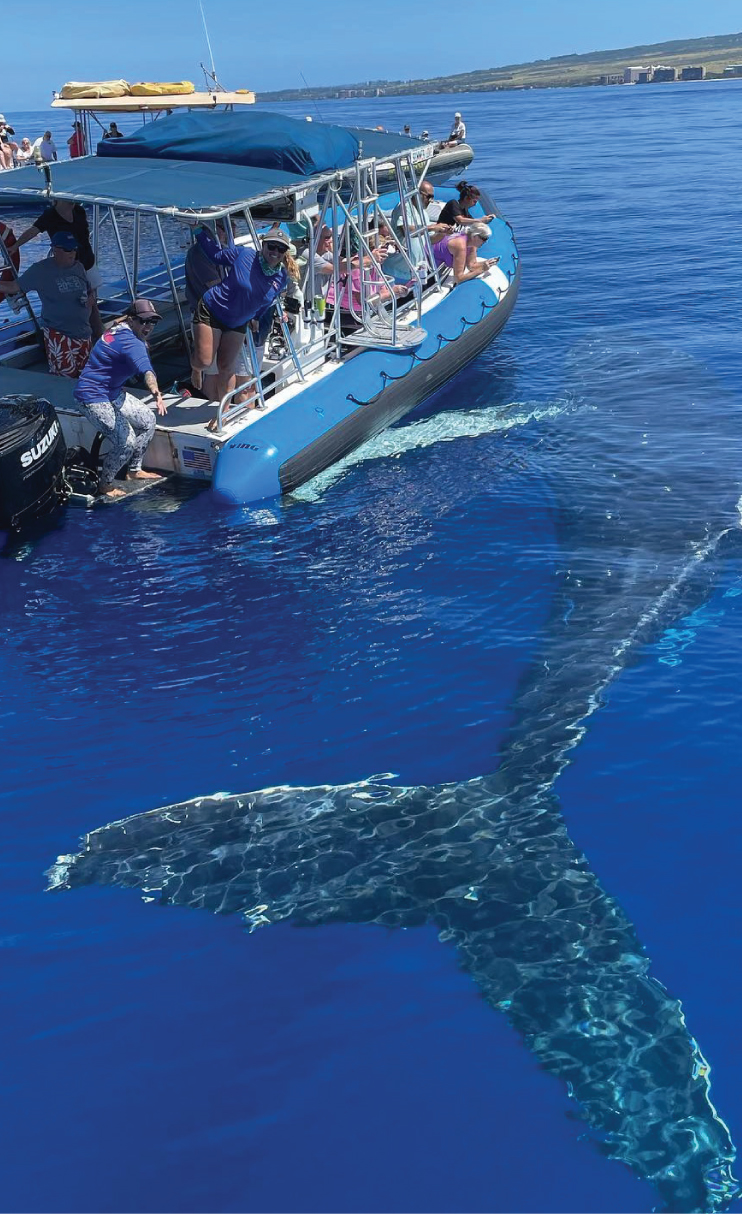
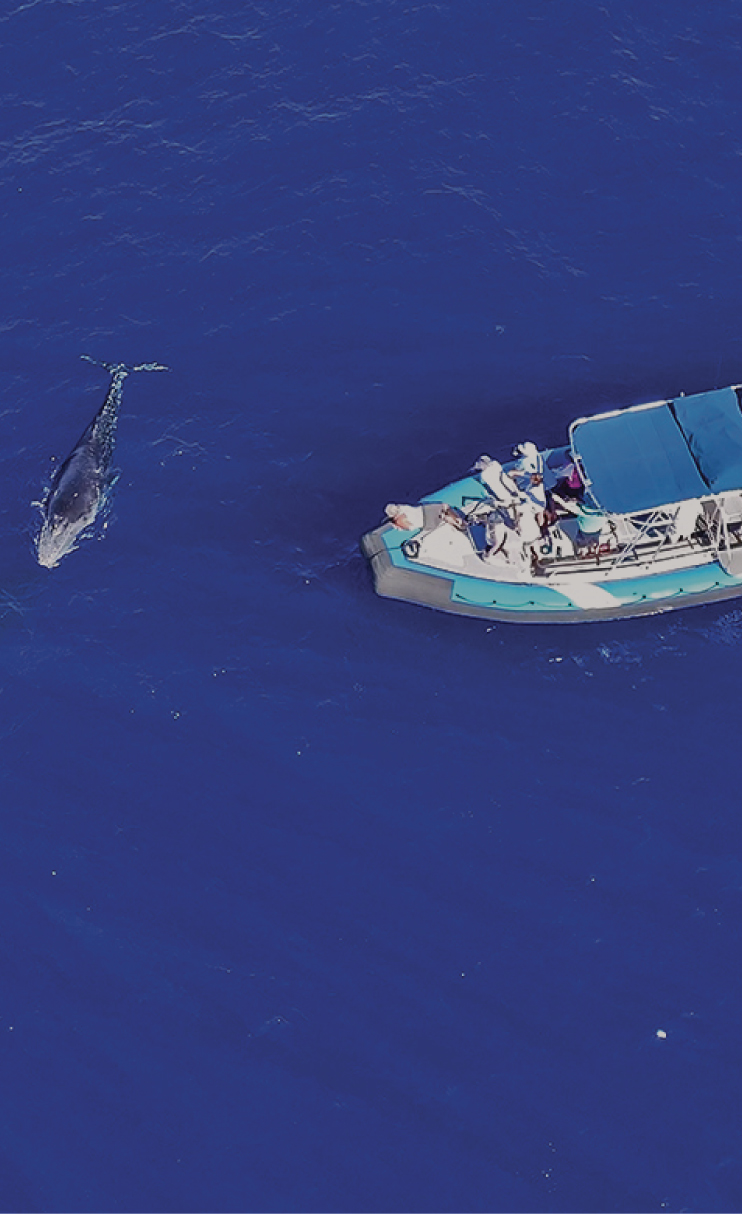
While we cannot approach them closer than 100 yards, the whales often approach our small rafts for those up-close and eye-level whale encounters.
Preferred Time Pricing is determined by a preferred time travelers select for their schedule, it is not reflective of whale activity. Research shows there is no time of day when whales are more/less active.
Kama’aina discount available with HI Driver License for residents only.
Call
for Military, Veteran and Repeat Traveler Discounts. Whale Watch Passes are
available for whales season December 1- April 20th. Click
here for more info on whale watch pass discounts and availability.
Click here for the most up to date Captain and Crew schedule for this season of whale watching tours.
* Please note the schedule is subject to change without notice and this does not guarantee the crew will be working on the day you select (this can be due to last minute changes, illness and other personal and business reasons).
Mahalo for whale watching with us this season!
Rated Best Boats for Sea Sickness
The lower to the water you are the less the boat will rock. Because other variables influence sea sickness, best to talk with your Dr. about preventive measures so you can enjoy your time on the water.
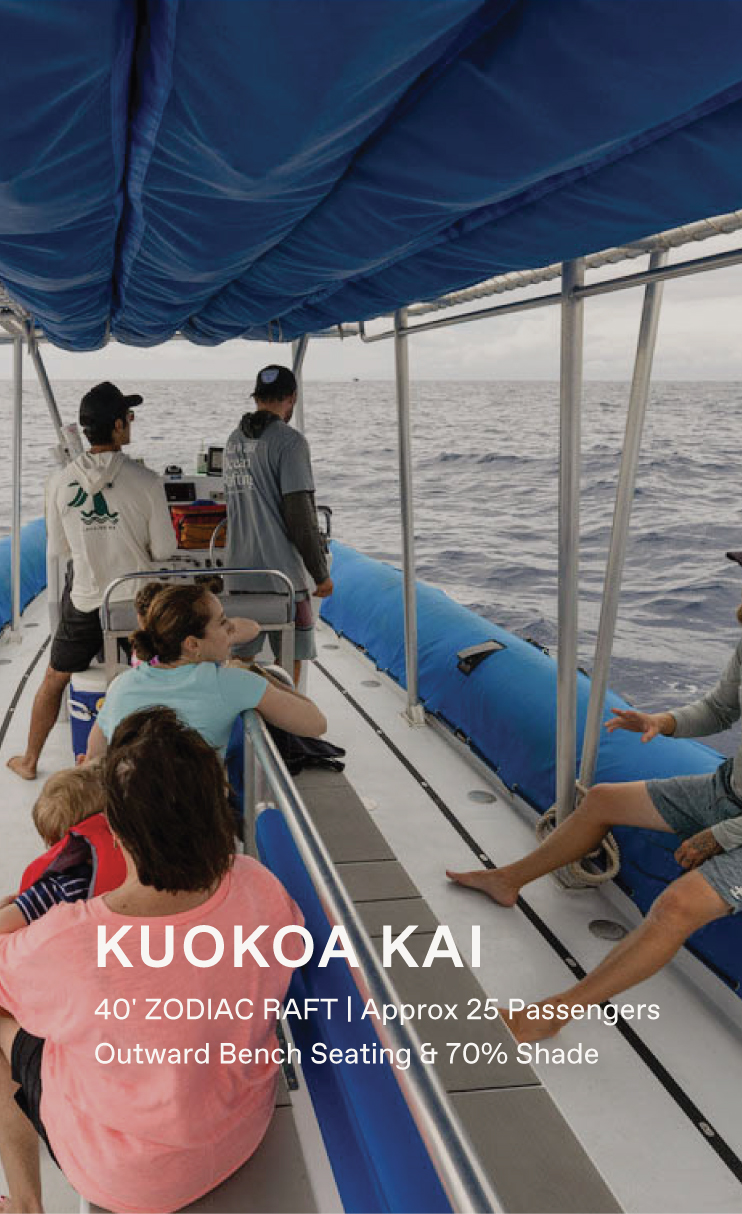
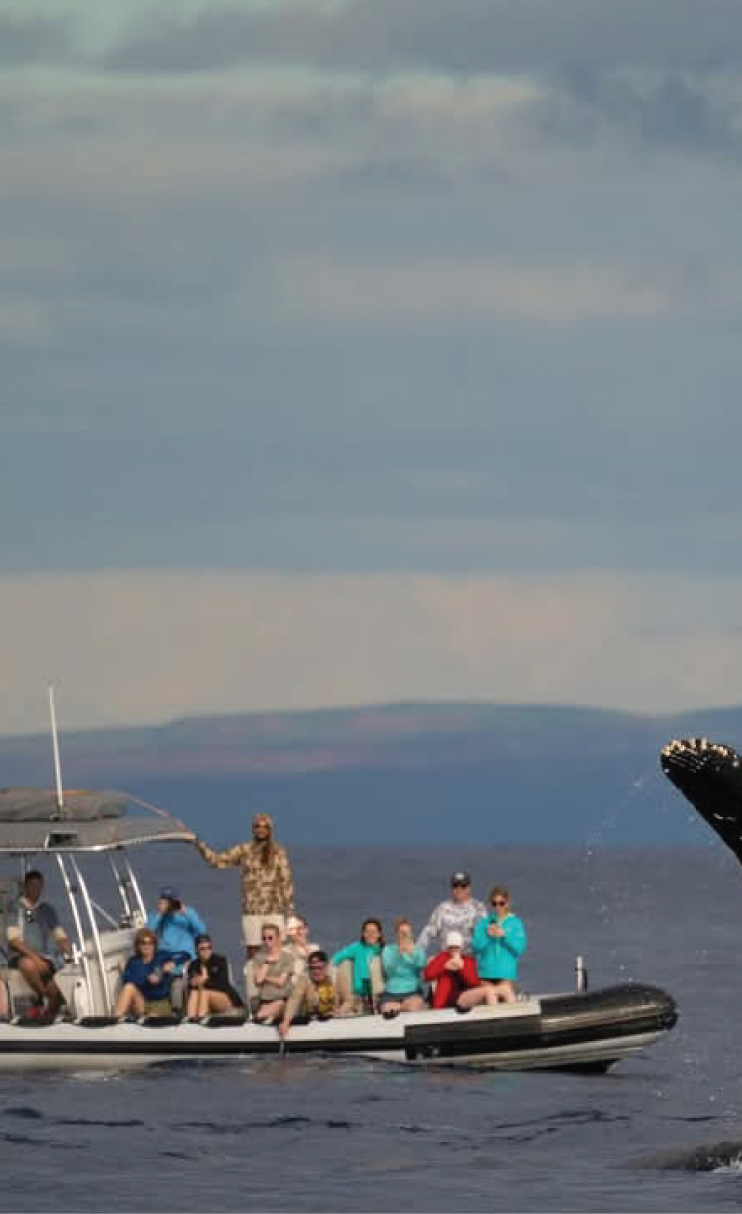
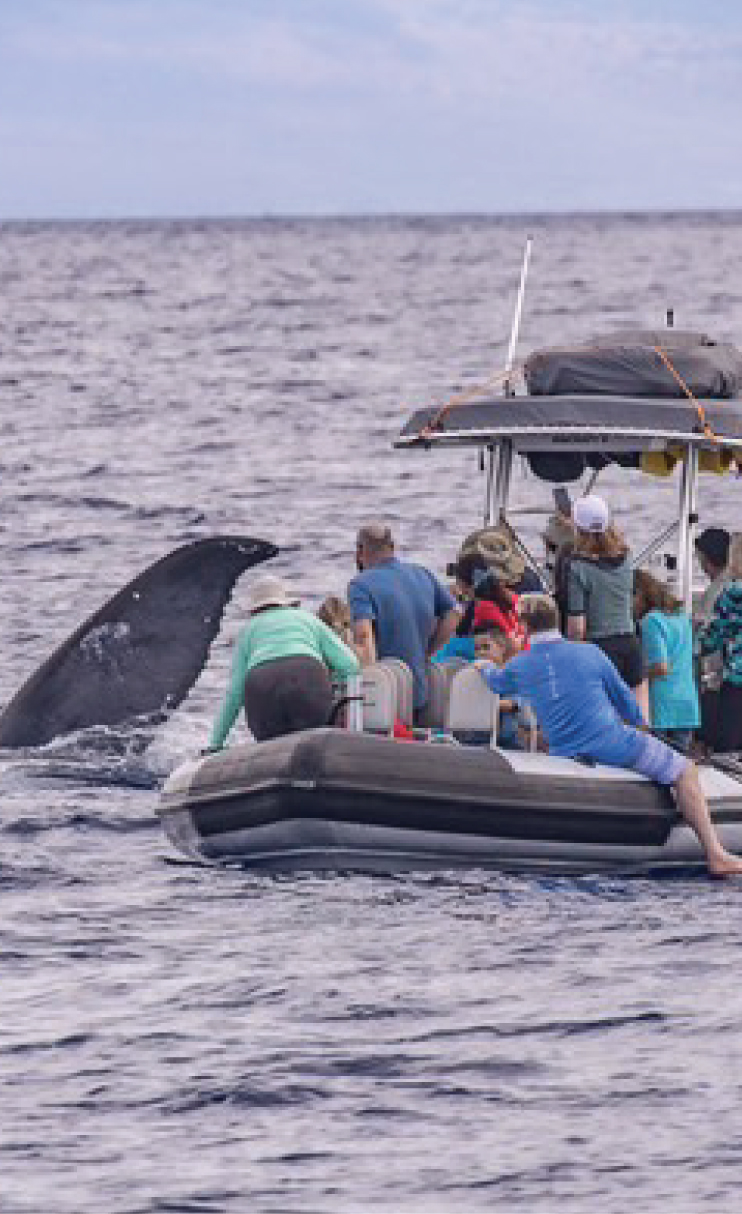
Eye-level viewing on eco-rafts gives us the opportunity to be up-close with an approaching humpback whale.
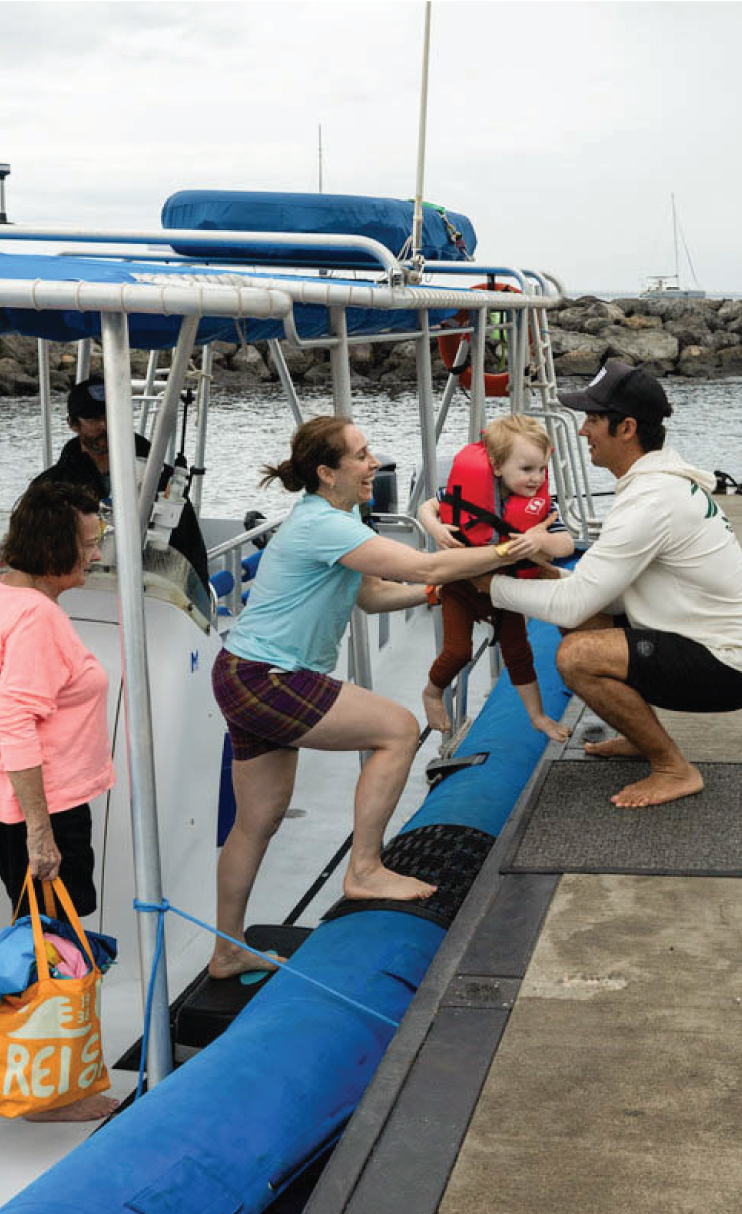
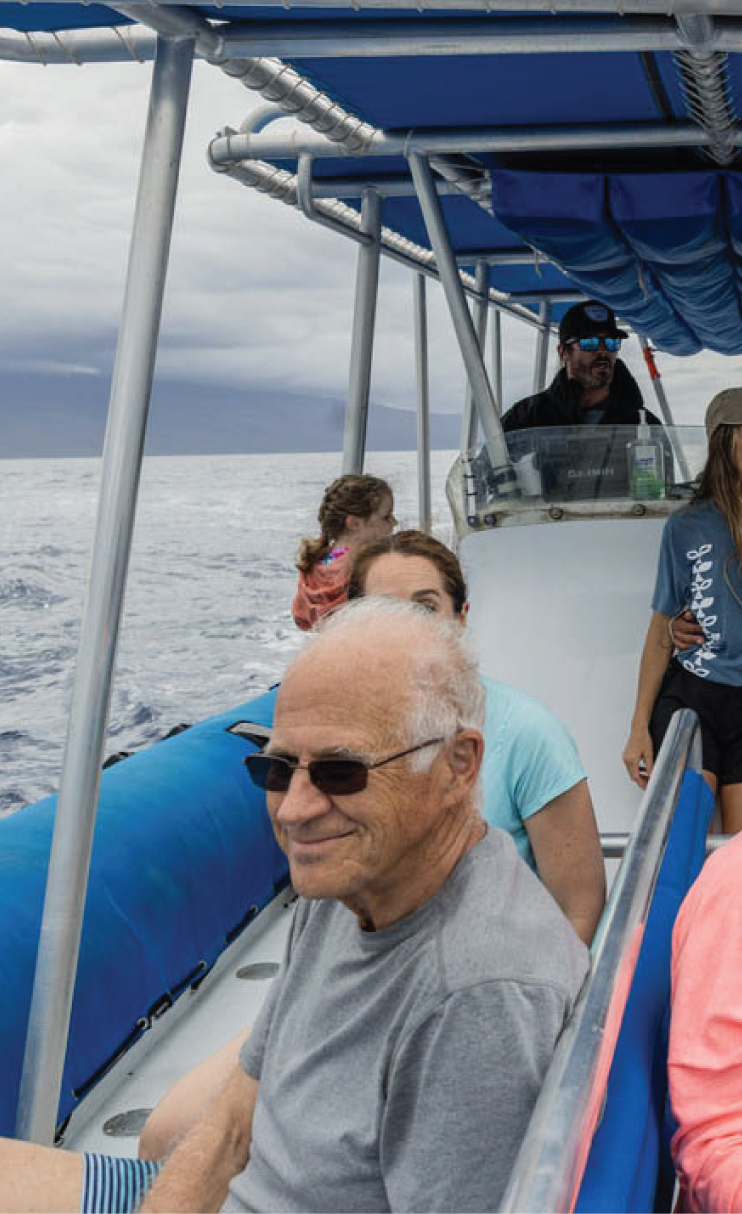
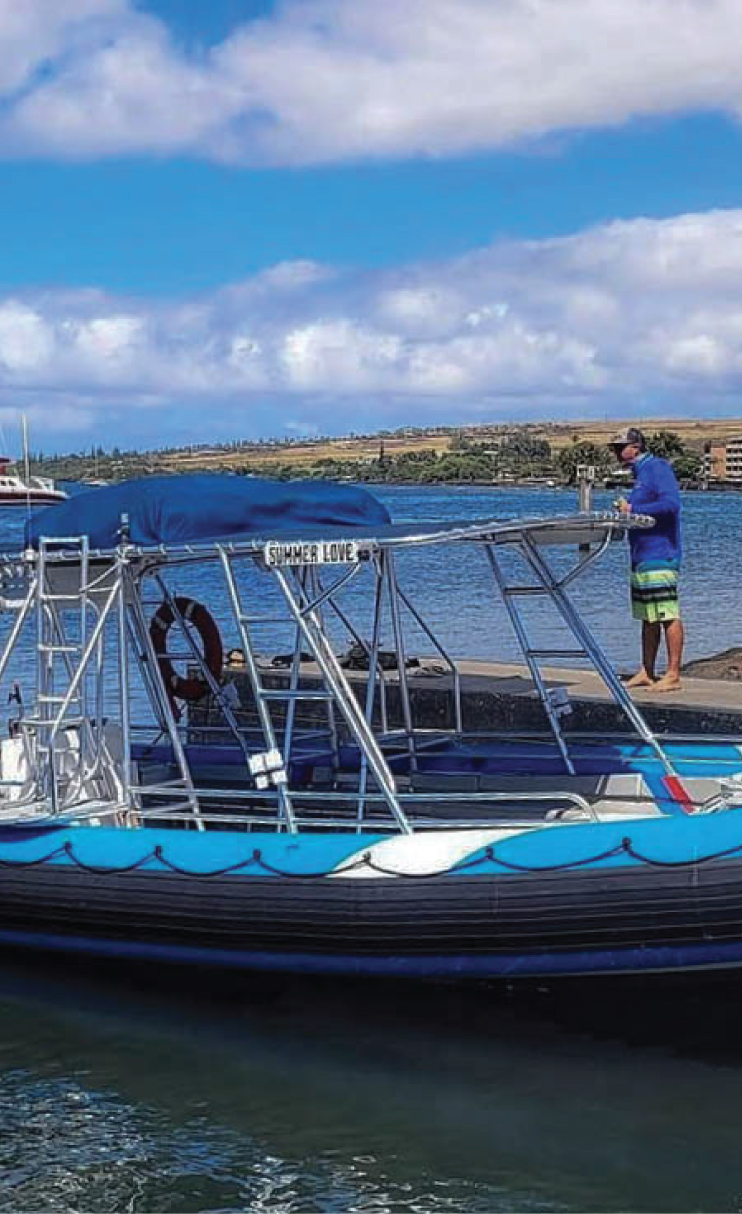
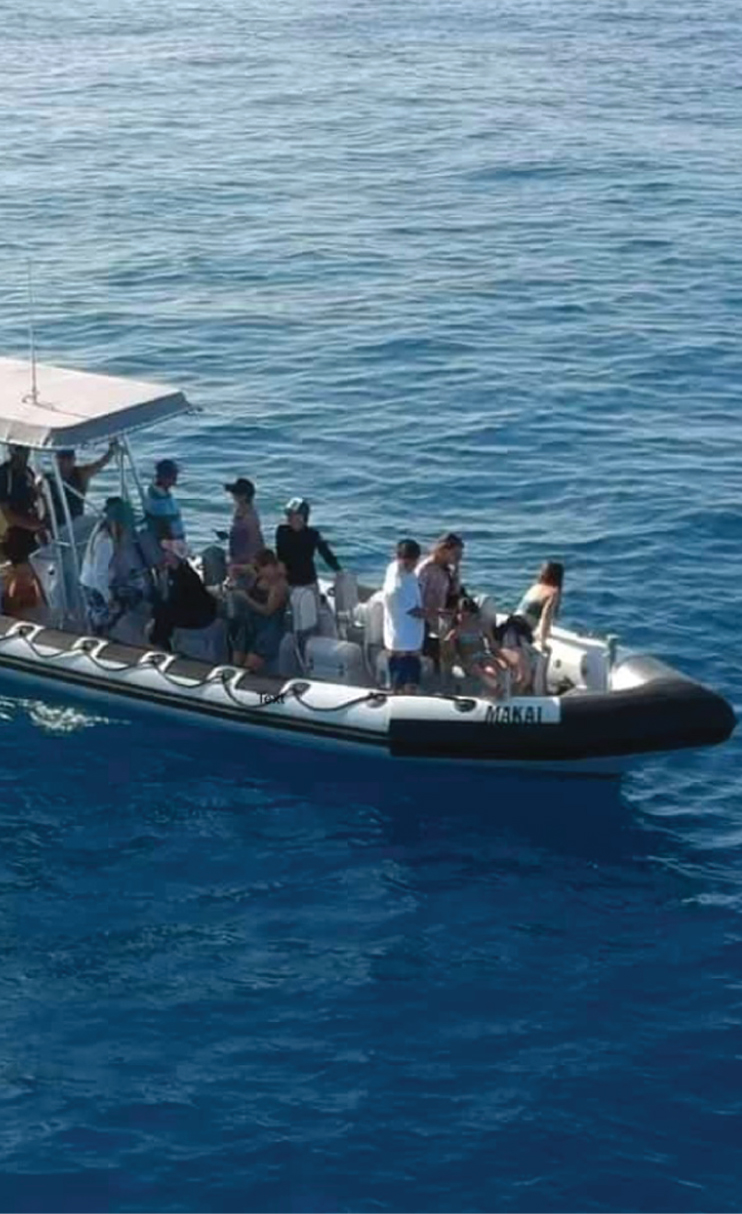
Safe and fun adventurous zodiac ride is family-style, making every trip feel like time with your ohana.

View our Eco-Rafts
Rated Best Boats for Sea Sickness
The lower to the water you are the less the boat will rock. Because other variables influence sea sickness, best to talk with your Dr. about preventive measures so you can enjoy your time on the water.
Eye-level viewing on eco-rafts gives us the opportunity to be up-close with an approaching humpback whale.
Safe and fun adventurous zodiac ride is family-style, making every trip feel like time with your ohana.
Memberships & Passes
We’re not just whale watching. Together we are building an ohana of ocean stewards who love and care for the ocean and it’s inhabitants… all while having fun!
Points &
Awards
For every milestone of whale watches, you will
unlock awards, perks and special recognition.
• 25 Trips: 25 Award Pin, 1 Free Whale Watch Pass
• 50 Trips: 50 Award Pin, 2 Free Whale Watch Passes
• 100 Trips: 100 Award Pin, 2 Free Whale Watch Passes and 50$ Merchandise Credit
• 250 Trips: 250 Awards Pin, 4 Free Whale Watch Passes and 100$ Merchandise Credit
• 500 Trips: 500 Awards Pin, 4 Free Whale Watch Passes, $200 Merchandise Credit and Priority Boarding for Life.
Program Details
Many of you have been joining us for
years and have been amazing supporters of both our small business and the
whale community.
Because the loyalty program is new this year we will
begin counting trips/points starting December 1, 2024 and giving awards
throughout this season forward.
Trips will roll over to the following
seasons so you can build your loyalty points for more awards and perks!
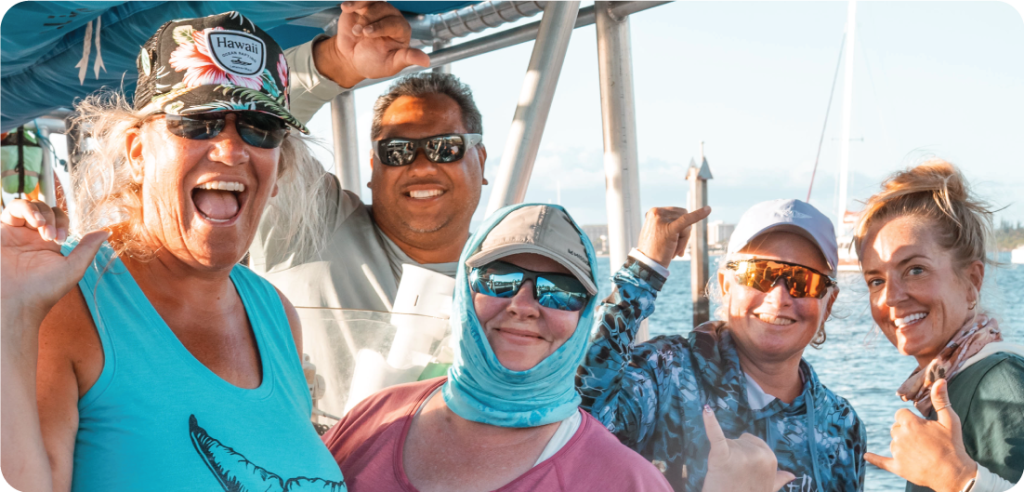
Buy a weekly or monthly pass, save on tours and become a part of our rafting ohana!
*Passes can help you achieve Membership awards
* Weekly & Monthly
Our most popular whale watch tours include whale watching and educational talks from our marine naturalists. Seasonal December-April.
Small Group • Education • Wildlife
Save 20%
Small Group Whale Watch
Learn about Humpback whales and stories about the early Hawaiian’s connection to the ocean and humpback whales.



Commercial hunting of humpback whales is banned by the International Whaling Commission (IWC).
Maui Nui Basin is federally designated a marine sanctuary to protect humpback whales.
Hawaii’s group of Northern Pacific Humpback whales is de-listed as endangered to it’s steady population recovery.
Humpback whales are protected in U.S. waters under Endangered Species Act.
It’s estimated over 10,000 Northern Pacific Humpback whales migrate to Hawaii annually.
Because Maui is the destination for the Northern Pacific Humpback Whale’s annual migration every winter season Maui’s is subject to population protections and regulations.
One such protection does not allow approaching whales closer than 100 yards, making every up-close whale encounter is the whale’s choice. The low-to-water rafts make for a memorable eye-level whale encounters.
While in Maui, Humpback whales participate in behavior related to mating and birth. They do not eat when they are in Hawaii and rely soley on their fat storage accumlated during the summer months in cooler, food filled waters.
SEE NOAA’S SANCTUARY REGULATIONS
_____________________
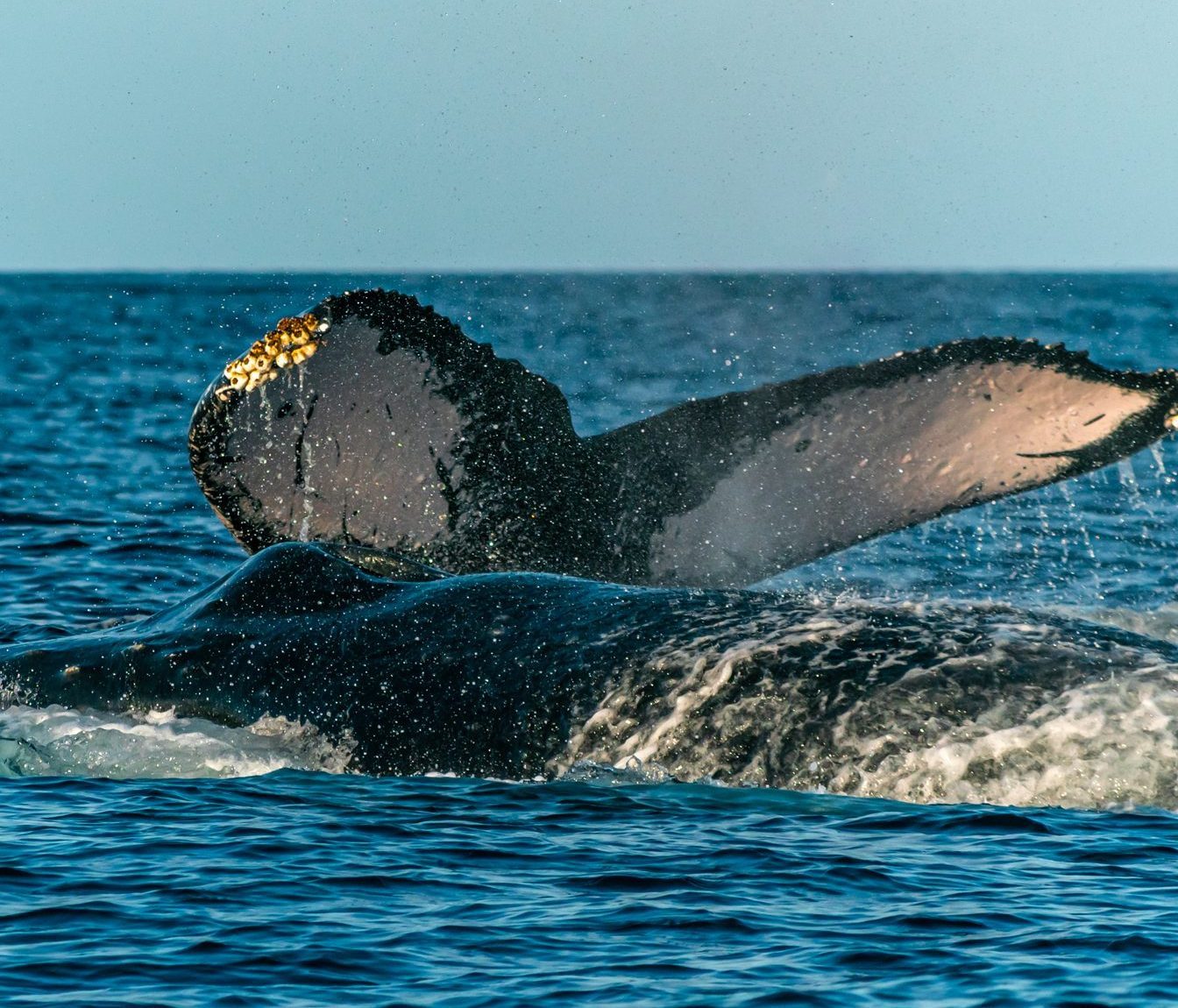
Competing pod of male humpback whales will display aggression on the surface and pursue a female in hopes of gaining the mating right. Head lunges, breaching and tail slaps are just a few of the behaviors you may see.
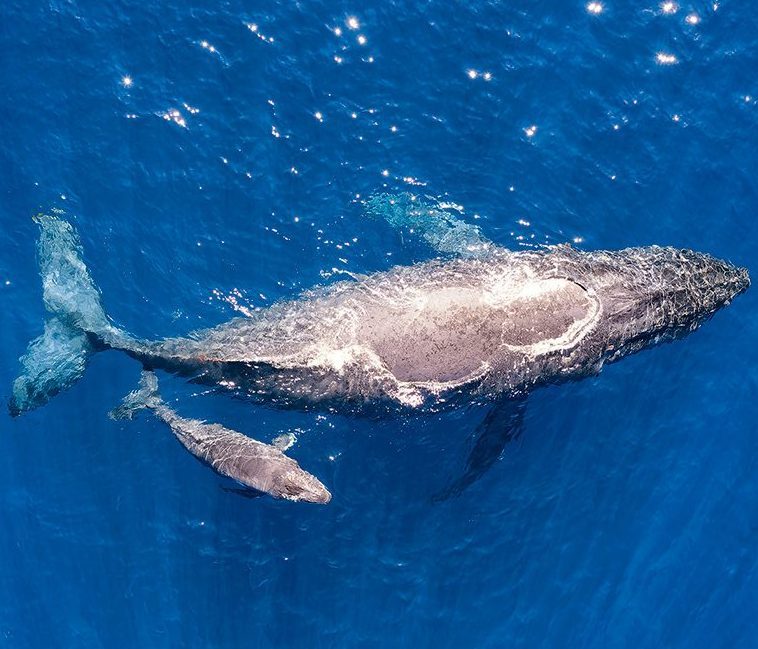
Because of the shorter breath hold of baby whales, they will have more surface time. Mom’s will also teach their babies breaching and work to strengthen their muscles before their return migration back from Maui.
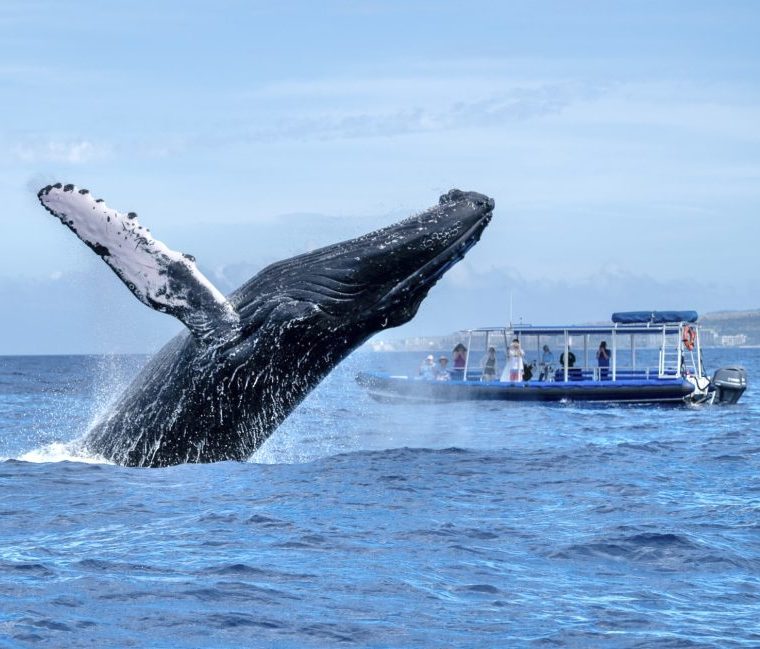
Breaching, tail slapping and whale songs are all the ways whale communicate with each other. Some behaviors are breaching are thought to also be a way for whales to clean lice and barnacles from their bodies.
Humpback whales migrate to Maui from Alaska every winter to mate and give birth. Their trickle migration begins in late fall and ends in the spring. We start to see enough whales to whale watch in Maui starting in December and continue tours into April!
Best time of day to whale watch is anytime!
Whales go through periods of activity and rest 24 hours of day so they can also be seen any time of day in Maui, and our sunrise to sunset whale watch tours give you any option that best fits your vacation schedule!
Lahaina is also located on the leeward side of the West Maui Mountains, creating the most consistent and driest weather on the island of Maui. This means we have the most sunny days on Maui, making it the best place to snorkel in Maui! Often it will be raining in Wailea or Kaanapali and be dry in Lahaina. Because we are a tropical island, weather reports are rarely accurate more than 24 hours out and we use special NOAA and sailing weather reports to get the most accurate weather for our Maui snorkel destinations. With that in mind, we will reschedule Maui snorkel tours due to weather if it will be unpleasant or unsafe for our guests.
Although humpback whales are wild and we cannot predict their activity or behavior, our captains and marine naturalists have many years of experience observing whales and finding the most active whales to watch in Maui’s warm waters.
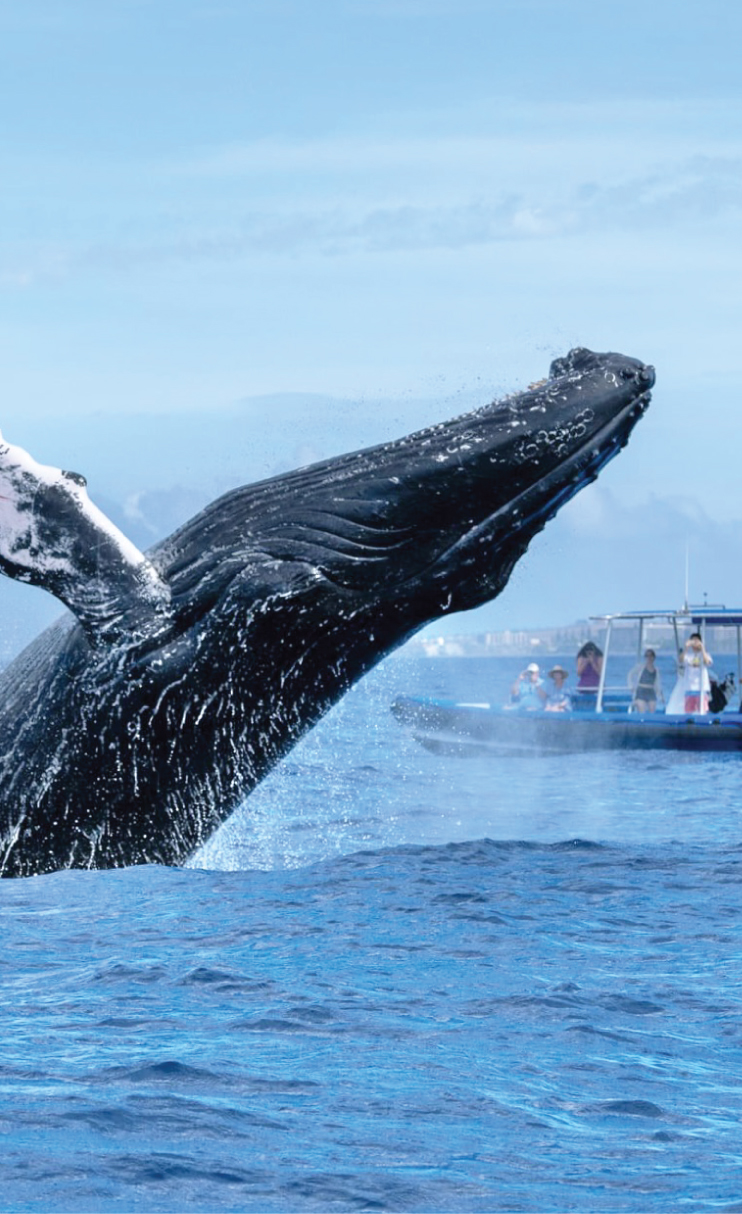
Whale behavior you may observe includes whale tails (also called flukes), pec fin slaps, head lunges and the famous breach! Sometimes humpback whales even approach our boats closely and check us out! This is called a mugging and only happens when the whale chooses to approach us as we closely follow Federal Regulations which do not allow us to approach humpback whales closer than 100 yards.
There is no time of day when whales are more active. Their activity patterns are 24 hours a day. We cannot predict what whales will do or where they will be. Observing humpback whales in the wild is an adventure and every tour is different!
No matter the encounter, observing these 40 ton, 40 foot gentle giants is a once in a lifetime experience on your Maui vacation!
The number one reason rafts are the best way to whale watch is the low-to -water style of the vessel. When humpback whales choose to approach a boat, instead of looking over a railing 4-8 feet above the whale, you are eye-level with the whale, getting splashed on or putting your waterproof camera in the water for epic video captures of underwater activity.
Second reason rafts are the most popular way to whale watch are the smaller group tours. Every tour is family style with less guests, making every seat front row to the ocean and whale activity. You also have a chance to get to know your crew and other whale watchers, sharing the adventure and making memories!
Although we may see dolphins or other rare toothed whales like pseudo orcas, the Northern Pacific humpback whales are our primary focus for our Maui whale watching tours. Northern Pacific humpback whales migrate between Maui and Alaska every year, coming back to Maui to mate and give birth (and maybe for a tropical vacation).
While humpback whales can be seen almost anywhere on Maui, the majority of humpback whales reside along the west coast of Maui, in front of Lahaina Harbor.
Because of the shallow water between Maui and her neighbor island of Lanai, Molokai and Kahoolawe, the Maui Nui Basin became the residing place of choice for the majority of humpback whales migrating to Hawaii. The reef along Maui’s west coast and Lahaina, known as Olowalu is a favorite resting place for moms with calves. The milder weather in Lahaina due to the protected West Maui mountains,also makes it the top place to whale watch from. This is also why the Humpback Whale National Marine Sanctuary designated these waters a protected place for humpback whales.
From shore you can see whales along the Pali and pull off to watch at the McGregor Point parking lot overlooking Maalaea Harbor. During peak migration months you can watch whales breaching from your balcony if you are staying in Lahaina, Kaanapali or the upper west side of Maui.
For closer whale encounters boat tours take you to search for whales displaying active surface behavior. While we do not approach whales closer than federal regulations, often whales will come to our boats, making for eye-level experience on our low to water rafting style vessels.
Humpback whales migrate from Alaska back to Maui every year to mate, give birth and raise their young. Surface behavior displays communication between males competing for a female in a competition pod, male and females trying to get the attention of the other and mom teaching their young.
Some of the most frequent whale behaviors you will see have moves that have been given names!
Pec Fin Slap
Humpback whales will use their large (sometimes up to 15 feet) pec fins to make noise while slapping the surface of the water. This big splash gets the attention of other whales and of course whale watchers! Often they repeat this move dozens of times! Breach
The famous breach is a fan favorite. Hard to imagine a 40 ton animal propelling itself out of the water in one intense leap, but that’s what breaching is! Swimming up to 18 mph gives the whale enough momentum to breach. Researchers speculate that whales breach to clean themselves and remove things like barnacles. They also believe they breach to communicate, exercise
and just have fun!
Head Lunge
Humpback whales most frequently use head lunges when fighting with other male whales in a competition pod. They will often lunge their heads out of the water to also clean themselves and communicate.
Spy Hop
When a humpback whale sticks it’s nose out of the water it’s called a spy hop. This move allows them to look above the water, often curious whales will do this near the whale watching boat. In that case we wonder who is actually watching who!
Mugging
When a humpback whale decides to approach a vessel within the 100 yard boundaries we refer to this as a mugging. To protect the whale, vessels turn off engines and allow the whale to “mug” the boat, while onlookers get to enjoy this amazing close whale encounter.
While Kohola (whales) have been a part of Hawaiian culture since the beginning as reflected in the chant of creation which tells the story of the birth of the whales in the ocean, they are rarely mentioned in legends and only a few petroglyphs have been found with images of whales. Historians don’t know if this is due to there being fewer whales in Hawaii previously or if they were considered sacred and their information kept secret.
Kohola also refers to a flat reef which can resemble a whale when the waves wash over the reef causing spray similar to a whale spout. An earlier Hawaiian word for whales was palaoa, more specifically referring to sperm whales.
Two of Hawaii’s few whale petroglyphs can be found on Maui and Lanai. The whale depiction on Lanai is located at Palaoa Hill, the other whale drawing can be found in Olowalu, Maui.
When toothed whales washed ashore, their teeth were considered prized possessions and were made into leis for ali’i (royalty). Other items like fish hooks were also made from their teeth.
Whales or Koholoa are also considered ‘aumakua in Hawaiian culture, ancestors that have returned as spirit guides and guardians for their ohana. Entire species were not considered ’aumakua, rather a special encounter with a particular animal may indicate the presence of an ancestor seeking to communicate, comfort or assist their family. The ‘aumakua wouldn’t perma- nently reside within that animal, rather they can possess both inanimal and living things to be there for their family.
Off-Season Whale Tours in Maui
VIEW MAUI WHALE TOUR SCHEDULE
_____________________
Humpback whales are seasonally in Maui from December through April. During summer months they migrate to coolers waters to feed. Many of our team members follow the whales and work with them throughout the year.
Travel to Alaska to watch whales in the summer in Alaska or join us for year-round dolphin tours on Maui.
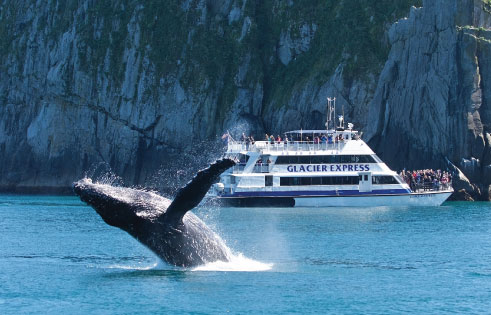
Whale watch in Alaska with Major Marine Tours. Their wildlife tours vary in duration and include food and marine education. Don’t forget to ditch the slippers and pack a parka for these summer time tours.
Duration: 2-8 Hrs
* Tours vary
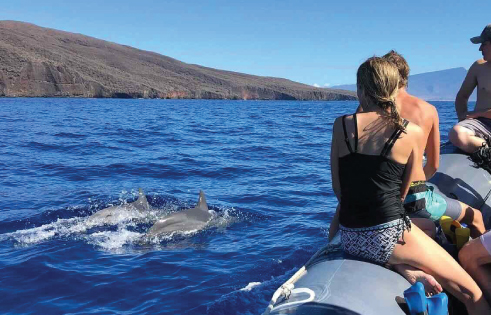
Search for dolphins and sightsee from our small group eco-raft. Stay dry and still have an ocean adventure! Food and beverages included. Seasonal summer Maui tour from May-November.
Duration: 2 Hrs
Save 20%
Wildfire Impacted Business
We are grateful to partner with Lahaina Community Land Trust whom uses donated and special funding to prevent Lahaina 2023 wildfire victims from being forced to sell their land.
How can you help?
When you book a tour you can opt to donate to support LCLT and their mission.
LEARN MORE ABOUT LCLT
_____________________

Mahalo for your support this season, especially as we rebuild after the Lahaina fires! Your support of our small local business help our team of Lahaina and Maui locals get back to work and on the ocean to heal.

Check-in Location: Temporary Dive Maui Shop, 1223 Front Street Lahaina, Maui, 96761
Parking : Front Street or near Lahaina Cannery Mall parking lot.




OUR MISSION is to provide a fun, authentic, aloha filled, Maui ocean experience that educates and inspires visitors to love and respect Hawaiian culture, the ocean and our island.